
First Experimental Bananas Grown in Russia
2026-05-01
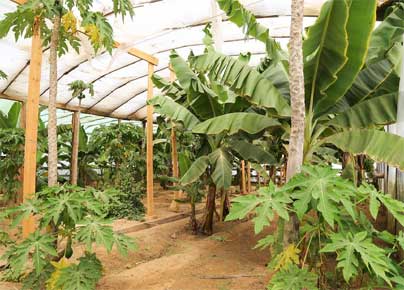
The report states that the fruits underwent an early tasting, where they performed well, and are expected to reach full ripeness and be harvested this summer.
This experiment is part of a program aimed at reviving subtropical agriculture, which has led to the construction of three experimental greenhouses, each measuring 600 square meters: two in Sochi and one in Sukhumi.
Oksana Lut, the Russian Minister of Agriculture, described the development of tropical horticulture as a promising direction for the industry. Andrei Platonov, the director of a 100-hectare farm, mentioned that he personally tasted the first freshly harvested banana and remarked, "The experiment was a success; the taste and aroma are unique. Farmers are preparing for the harvest this summer."
After harvesting, the bananas will be sent to the Kurchatov Institute for quality analysis and comparison with similar imported products. They will also be tested in the laboratories of the Central Quality Control Centre for safety and detection of harmful substances. A comprehensive series of laboratory tests will then be conducted, including pesticide and nitrate analyses. The centre will oversee the security check and the declaration of the first Russian banana harvest.
The experiment includes 15 banana varieties, such as the popular Cavendish and exotic types like white, golden, black, and mini bananas. Additionally, they are cultivating the world's sweetest banana and a heat-treated vegetable variety.
The average yield of the first harvest is projected to be between 10 and 15 kilograms per plant. The second harvest, expected in autumn 2026, could yield up to 30 kilograms per plant, and by 2027, commercial yields are anticipated to reach 35-50 kilograms per plant.
The complete ripening cycle for bananas lasts between 3 and 3.5 months. The main harvest is expected to take place between September and October 2026, though this timeline may change due to the project's experimental nature.
Discussions are ongoing about marketing the harvest, including potential collaborations with high-end restaurants to introduce diners to these Russian exotic fruits.