Ecuador's Agro-Exports Gaining Traction in the US
2026-03-20
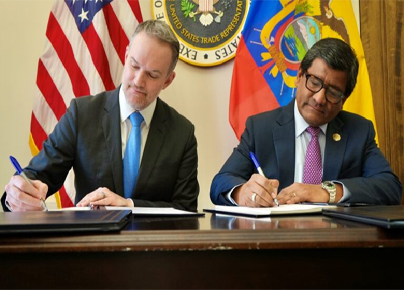
Ecuador and the United States signed the Reciprocal Trade Agreement (ART) on March 13, 2026. This agreement aims to improve access for Ecuadorian products to the U.S. market and directly impacts one of the key components of the national economy: agricultural exports.
The significant data highlights that the agreement will eliminate surcharges that currently affect 53% of Ecuadorian non-oil exports to the United States, amounting to USD 2.786 billion based on 2025 figures. In essence, more than half of these exports will be able to compete under better conditions in one of the largest markets in the world.
Among the main beneficiaries of this agreement are crucial products from Ecuadorian agriculture, including bananas, plantains, pineapples, mangoes, dragon fruit, ginger, and uvilla. Additionally, cocoa, coffee, flowers, palm hearts, and various fishery products are included—sectors that support employment and economic activity across various regions of the country.
The agreement also paves the way for an additional 1,673 sub-items, broadening opportunities for export diversification. Furthermore, it offers benefits for strategic minerals such as gold and copper, as well as for manufactured goods, processed agro-industrial products, and the forestry and timber sectors.
The ART does not solely focus on exports. In terms of imports from the United States, Ecuador has agreed to a tariff reduction aimed at modernizing its industries. This includes easier access for agricultural machinery, industrial equipment, and construction machinery, along with parts and inputs that could reduce costs for local businesses.
Another key aspect of the agreement includes commitments in areas such as investment, financing, digital trade, intellectual property, and labor and environmental standards. According to the government, new opportunities for access to financing from institutions like EXIM Bank and DFC are being established for projects related to energy, infrastructure, critical minerals, and technology.
While the signing has been completed in Washington, the agreement still requires ratification within Ecuador. The government plans to submit it to the Constitutional Court, and its implementation could occur around July or August 2026, depending on the procedures in both countries.
The ART is expected to be more than a diplomatic gesture; it will be a commercial initiative with a direct impact on the countryside, industry, and Ecuador's capacity to enhance its exports to the United States. The crucial challenge ahead will be to transform this opportunity into increased exports, greater investment, and more jobs.