Antwerp Steps Up Port Security as Cocaine Seizures Rise in 2025
2026-01-23
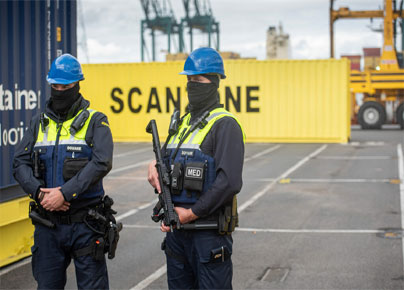
Belgian authorities have intensified their crackdown on organised drug crime at the port of Antwerp, suspending more than 300 employees after they failed new drug-related security checks and reporting another rise in cocaine seizures in 2025.
Since the beginning of the year, police have been screening workers in ports across Belgium as part of stricter security measures aimed at keeping individuals with links to drug trafficking out of sensitive positions. Around 16,700 people—mainly office staff at the ports of Antwerp and Bruges—have been screened so far, with roughly 1.9% receiving a negative assessment. Many of those employees were suspended immediately. Dock workers who directly handle cargo are expected to undergo checks next.
The heightened controls follow record levels of drug trafficking through Antwerp, Europe's second-largest freight port after Rotterdam. Belgian customs reported that approximately 54.9 tonnes of cocaine were seized in Antwerp in 2025, a 24% increase from the 44.2 tonnes intercepted in 2024, though still well below the 116-tonne record set in 2023.
Authorities attribute the increase in seizures partly to intensified surveillance and the use of new scanning technology.
In 2025 alone, customs officials scanned about 72,500 so-called "risk containers," a 61% increase from 2023. Cocaine shipments were concealed in a wide range of goods, including fruit, wood, coffee, and pallets, with traffickers increasingly using sophisticated methods such as fake bananas, liquid disguises, refrigerated compartments, magnets, and hidden structural spaces.
While most cocaine shipments originated in Latin America, customs officials noted a growing role for West Africa. Ghana has emerged among the top three transit countries, alongside Ecuador and Costa Rica, suggesting a shift toward larger multi-ton shipments passing through African ports.
Marijuana seizures have also surged. More than 20 tonnes were intercepted at the port of Antwerp in 2025, more than four times the amount seized the previous year. Similar trends were reported at Brussels-Zaventem airport, where around 8 tonnes of marijuana were confiscated.
Many of the cannabis shipments were traced back to Canada, where production has expanded following the legalisation of recreational use under certain conditions.
Belgian authorities say the combination of tighter personnel screening and enhanced cargo inspections is essential to counter the scale and evolving methods of drug trafficking through the country's ports.